
“¡Mauricio, Despiértese para ir a la escuela, ¡apúrese!”
This was one of my mom’s most common childhood “manual notifications”, reminding me to wake up and go to school. I miss those days. As a child, I didn’t have to worry about time management. My mom took on the role of my primary project manager, so called my life. The week was structured around school schedules, lunch times, manual alarm clocks, and rigorous bedtime hours. The best part was that all this task management was outsourced until I turned 18.
Self-time management
After graduating from high school, I lost many things: my financial support, 24/7 access to food, and, most importantly, someone to help me manage my time. I struggled with this task without a set schedule or the proximity of a parent to keep me in line.
At first, I turned to my mom and asked her to remind me of things, from dentist appointments to bill payment deadlines. However, this didn’t work out. Apparently, someone was too busy for this and didn’t want to help manage the time of her favorite son!
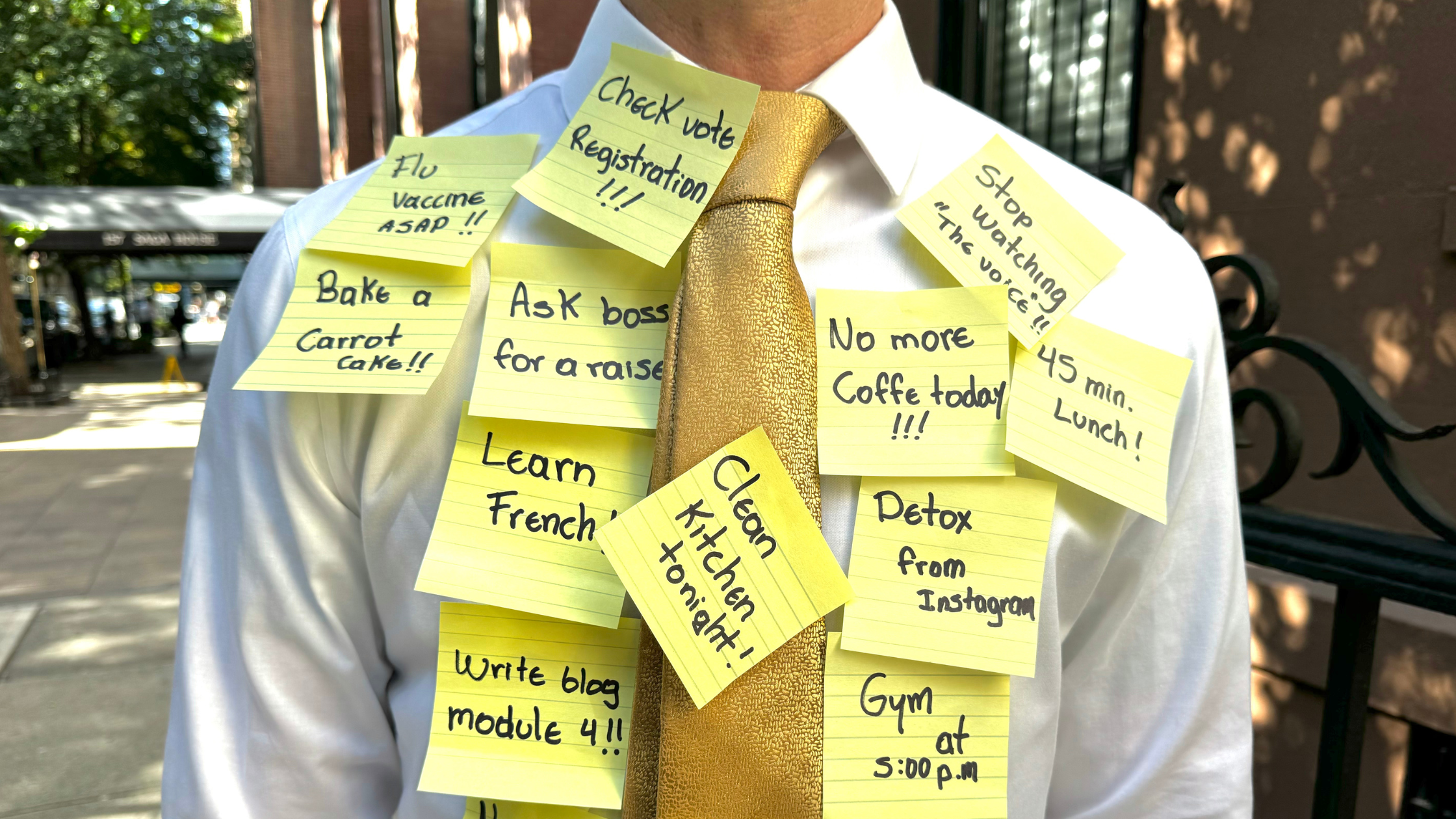
As my daily tasks continued to multiply, I felt the urge to get more organized. Paper “to-do lists” became my new best friend. The author, Jonathan Becher, definitely knew what I was talking about.
“Even when you are overwhelmed with tasks, the most important thing you can do is make a plan on how to get them done, starting with a to-do list. Simply writing the tasks down will make you more effective”
Jonathan Becher, The physiology of the to-do-list, Forbes, 2014
However, as time passed, those lists grew increasingly long. I resorted to sending myself email reminders and setting multiple phone alarms, but it wasn’t until digital calendars became accessible that I could make some progress.
Project management system
The evolution of specialized project management systems has significantly enhanced task management. No longer reliant on yellow sticky notes and calendar notifications, these systems provide a dedicated website or software program that centralizes all tasks. Numerous options are available, such as Asana, Trello, Notion, Monday, and ClickUp. All of them allow you to organize tasks with deadlines, share with colleagues, and, most importantly, present them visibly.
I fell in love with Trello. I have neatly organized all my study-related tasks, such as reading books, reviewing literature, and even writing this blog, into main tasks and subtasks (cards). I have also added my personal errands and bill payments, and I feel more in control with everything organized in one place. I particularly appreciate the inclusion of due dates and the ability to track progress for each task. If my credit score trends up, Trello can take the credit.

Precommitment platforms
Trello did a great job of displaying my tasks, but it could have done a better job of actually making me do them. Sometimes, when I was a child, my mom would have me do my homework in the center of the kitchen while she supervised me and made dinner. The precommitment platforms attempt to recreate this nostalgic setup.
It’s pretty simple. You commit to a specific date and time, log in, and do your tasks while a complete stranger watches you. At this moment, as I’m writing this blog, Anna from London is glancing at me on the screen to the right. It seems I am way more productive with anonymous “Focusmate” digital peers, ensuring I don’t leave my work to check what’s new on Instagram.
What is next?
While I appreciate the progress in time management tools, I am also noticing a concerning trend. Soon, we will have AI-based personal managers bombarding us with notifications without any balance.
“Mauricio, I cut down your lunchtime by 15%, it doesn’t take an hour to eat gallo pinto”
“Mauricio, I scheduled you a bathroom visit for number 2 between 4:20 and 4:30, good luck”
I am concerned about the increasing influence we are granting to management-based tools. At some point, we need to establish boundaries. Otherwise, in the near future, we might lose control of our lives and end up working for Trello. I just want to ensure that we remember who the true boss is (mom, if you’re reading this, it’s you, of course).
